
Integrate the Entire Product Manufacturing Process

 Analyze the product manufacturing mechanism, realize the digitalization of process design, promote process technology innovation, improve process development efficiency, and ensure feasibility.
Combine data from product design, production operations, after-sales service, etc., explore generative design, continuously iterate product models, and drive product optimization and innovation.
Comprehensively consider key data such as procurement lead time, safety stock, and actual market demand, optimize production plans, and complete the dynamic allocation of manufacturing resources
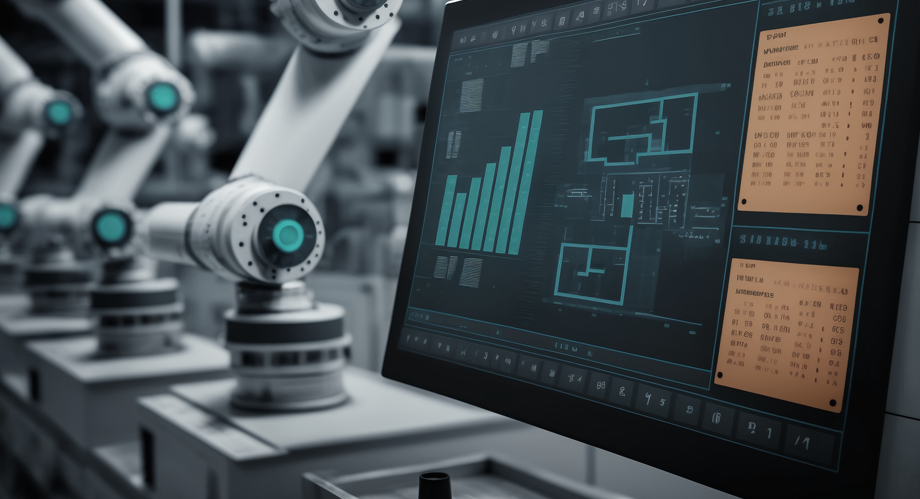

Process Design

Product R&D

Plan scheduling

Production Operations
With the rapid development of technology and the increasingly fierce market competition, manufacturing enterprises are facing challenges such as low production efficiency, high costs, and unstable product quality.To enhance the core competitiveness of enterprises, we need to carry out intelligent transformation and digital upgrading of factories.
-

Improve Production Efficiency
Through intelligent equipment and digital management systems, improve the automation and intelligence level of production lines, reduce manual intervention, and lower production costs.
-

Enhance Product Quality
Introduce advanced testing equipment and digital process management systems to achieve full-process quality monitoring and improve product quality and stability.
-

Optimize Production Plan
Digital production planning systems enable optimal resource allocation and rapid schedule adjustments. This significantly enhances the accuracy and flexibility of production plans.
-

Strengthen Supply Chain Collaboration
Meet the production demands of multi-variety and small-batch, enhance the flexibility of production lines, and achieve rapid model change and product transfer
-

Enhance Production Flexibility
Meet the production demands of multi-variety and small-batch, enhance the flexibility of production lines, and achieve rapid model change and product transfer
Digital Infrastructure Approach

Digital Infrastructure
Assist enterprises in deploying new network infrastructure, building enterprise data centers, intelligent computing platforms, and integrated network, data, and functional digital security systems, and improving information infrastructure that supports the operation of digital businesses.
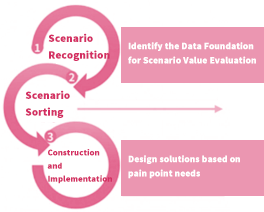

Data Governance and Circulation
Apply technologies such as cloud computing, big data, privacy computing, and blockchain to build a trusted data space, realize effective governance and analytical application of data within enterprises, promote secure and trusted circulation of enterprise data, fully unleash data value, and continuously improve the capabilities of data collection, processing, sharing, analysis, and application in all production links to support factory business operation, optimization, and innovation.

Knowledge-driven Production
Apply technologies such as big data, knowledge graph, and knowledge automation to precipitate industrial technologies, process experiences, and manufacturing methods into data and mechanism models, combine them with advanced manufacturing equipment, and build knowledge-based and model libraries to support business innovation.
Quality Control
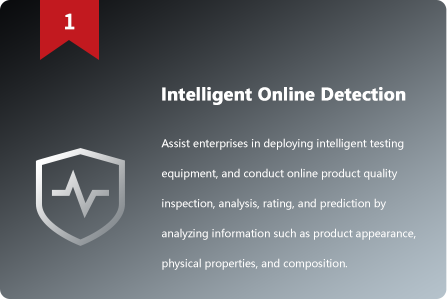
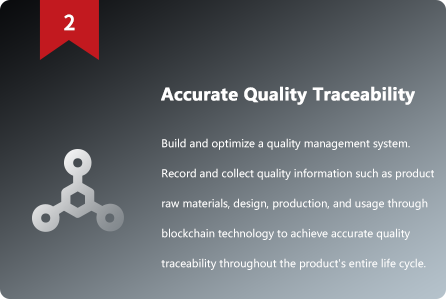
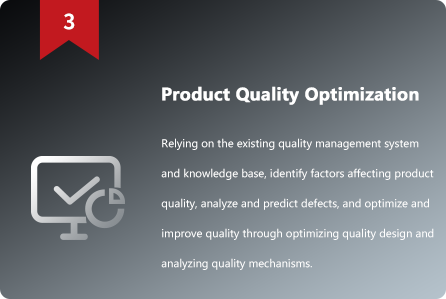
Supply Chain Management
-

Procurement Strategy Optimization
The supply chain module applies optimization algorithms for thorough supplier assessment, precise demand planning, and dynamic procurement optimization.
-

Real-Time Logistics Monitoring
It provides transportation management for full-process tracking and anomaly alerts. It also assists in optimizing carrier capacity and distribution routes.
-

Supply Chain Visualization
Record data of upstream and downstream enterprises in supply chain management to achieve visualized supply chain monitoring and comprehensive performance analysis.
-

Risk Early Warning and Resilience Control
Through the analysis of enterprise supply chain-related data, identify, locate, early warn, and efficiently handle supply chain risk hazards.
Data Verification Methods
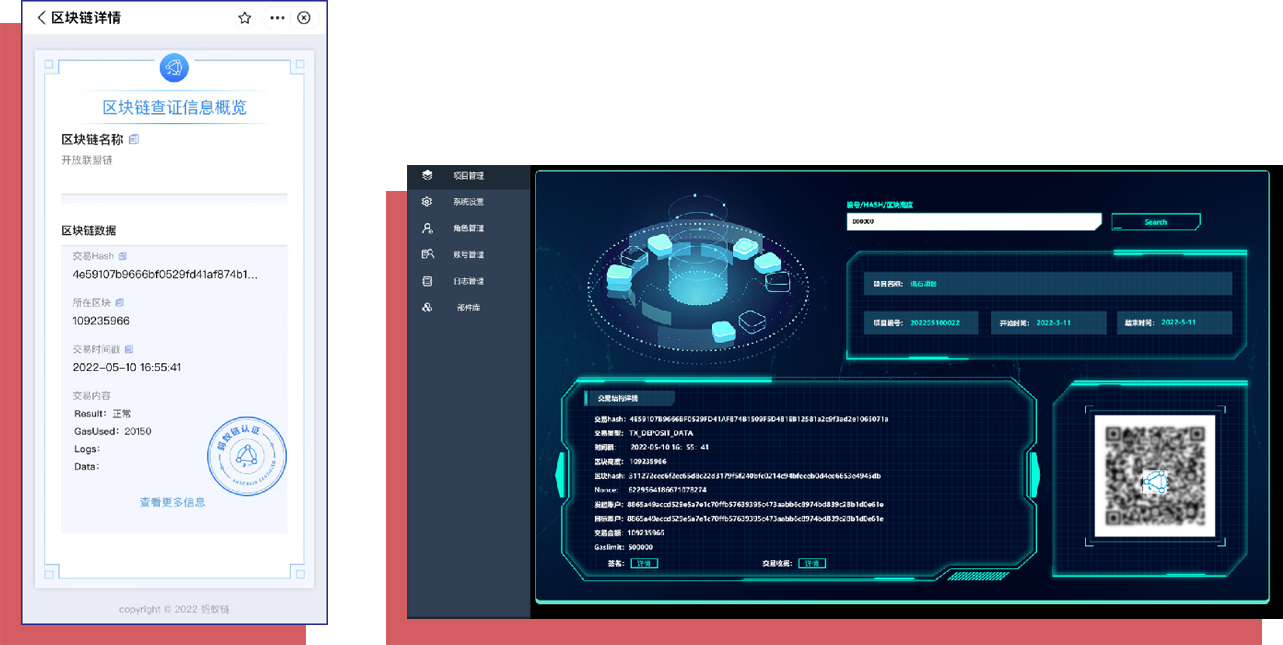
The system uploads data to the blockchain, and authorized customers can scan with apps such as Alipay and WeChat to view the original on-chain data information.
The system retrieves data from the blockchain, decrypts it, and displays the verification results to users to ensure data authenticity.
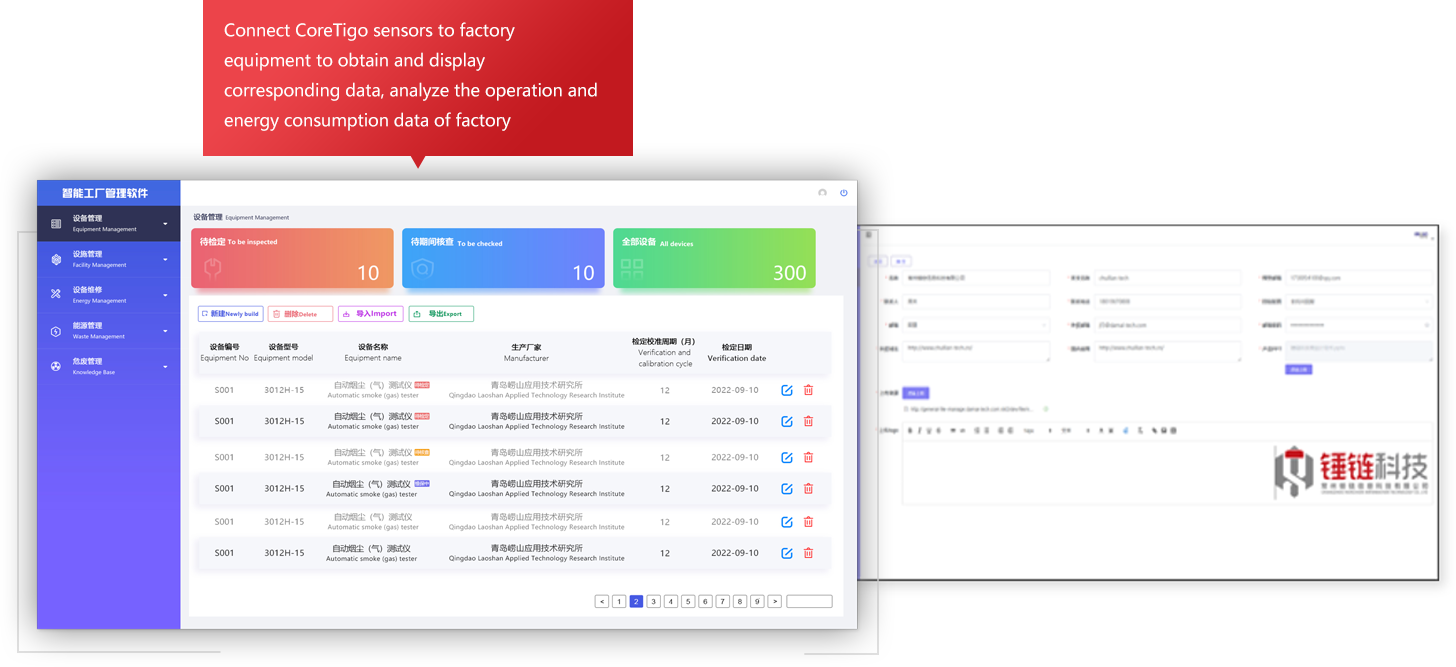
Equipment Data Collection and Management
Online Operation Detection
The system realizes the connection with equipment, and can determine the equipment operation status through online operation monitoring, conduct performance analysis and abnormal alarm, and improve control efficiency.

Equipment Operation Optimization
The system provides equipment health management to comprehensively analyze operational status and the working environment. This allows for parameter optimization, boosting production while reducing costs and extending equipment lifespan.

Fault Diagnosis and Prediction
The system will establish equipment fault diagnosis and prediction models, accurately determine equipment failure modes, carry out predictive maintenance, reduce unexpected downtime, and lower operation and maintenance costs.
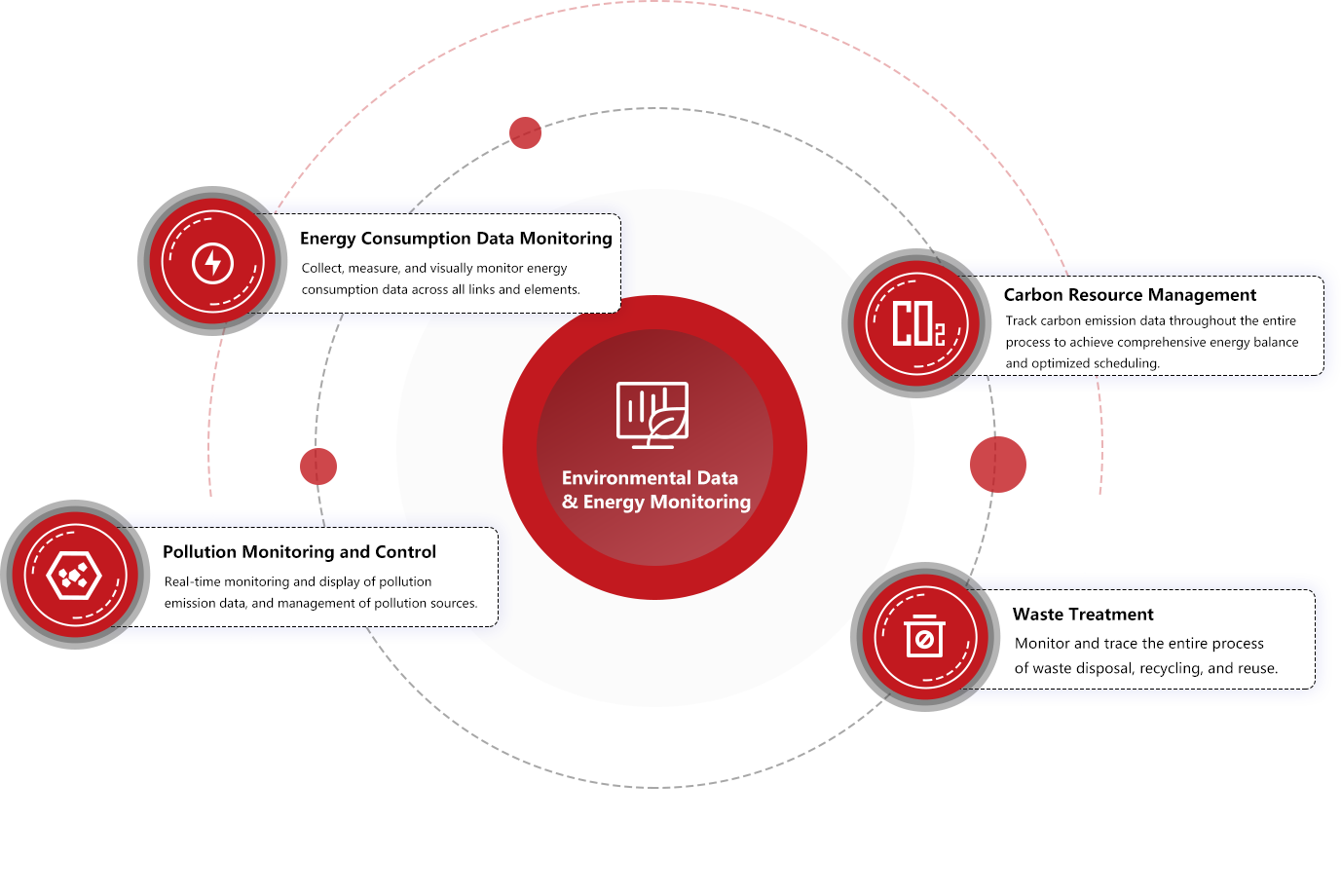
Energy Data Monitoring
Sensor Usage and AI Assistant